For players who like a bit of organization, a disorganized game lobby is more frustrating than fun https://yepcasinoo.eu/en-ca/. A modern online casino’s real advantage isn’t just about having a massive number of games. It’s about how it organizes them. Yep Casino’s thoughtful sorting does more than help you move around the site. It offers you a well-defined framework. This allows you select games based on what you actually want to do, like go after a big jackpot, experience a story-driven slot with small bets, or test your skill at a blackjack table. This rational setup reflects an awareness that players are varied. They have distinct moods, goals, and strategies. Examining why these categories are present shows how they make finding games easier, help you control your money, and enhance the overall experience for someone who likes a clear plan.
Simplifying the Hunt for Progressive Jackpots
Organizing Jackpot games in their own separate category is a textbook example in user-centric design. Progressive jackpot pools, like Mega Moolah or Mega Fortune, operate on a different concept than standard slots. A fraction of every bet contributes to a accumulated, growing reward that can be won randomly or through a bonus. Players aiming for these life-changing sums are on a specific mission. Making them look for these games among thousands of standard slots would be a poor service. A dedicated “Jackpots” category, often split into “Major Progressives,” “Daily Jackpots,” and “Fixed Jackpots,” provides direct, focused access. The jackpot hunter can quickly check prize pools, evaluate different networks, and plan their play across the most promising titles. It makes the whole journey efficient and transparent.
How Categories Address Various User Mindset types
What gets players going varies a lot. A well-structured casino addresses these diverse mindsets. The thrill-seeker looking for a game-changing win will head straight for “Jackpots” or “High Risk Slots”. The strategic thinker concentrating on odds will devote their time to “Table Games Section” or “Live Dealer Blackjack”. A hobbyist wanting fun with reduced financial risk might filter for “Low Variance” or “Bonus Feature Buy” slots to get more regular, less substantial engagements with bonus features. The classic enthusiast goes straight to “Old School Slots”. By providing these direct routes, the casino doesn’t make one type of player sift through content that doesn’t appeal to them. This grouping creates a more efficient and rewarding experience for each player type. It gives the platform a feel of customized, not mass-market.
The Analyzer vs. The Explorer
Think about two typical player types: The Strategic Player and The Explorer. The Analyzer has a plan. They often examine Return to Player (RTP) percentages, variance stats, and game rules. In their view, filtering options are investigative tools. They are able to quickly isolate “Blackjack variants with specific rules” or “High RTP slots (over 96.5%)” to shape their tactics. The Explorer is driven by curiosity and theme. They seek to be engaged by narratives, visuals, and fresh elements. In their opinion, theme-based categories like “Exploration Games”, “Mythological Themes”, or “TV & Movies” are priceless. Also important are “Latest Games” and “Popular” lists that feature what’s trending. One well-built categorization system accommodates both mindsets at once. Such is the sign of thoughtful design.
The Concept Behind Thoughtful Game Curation
Proper game organization fundamentally concerns user experience. It extends beyond the basic categorization of slot machines, table offerings, and live casino games. It creates a system that anticipates player preferences. This is a crucial distinction between platforms. A platform that throws countless slots in one infinite list creates choice overload. Finding a game you truly enjoy turns into a hassle. A site with thoughtful filters for theme, volatility, features, or provider shows regard for the time and intent of players. It recognizes that players often desire a tailored experience, for instance games with “Megaways” mechanics, rather than merely “a slot.” This kind of organization indicates that the casino understands its offerings intimately. It is sure at directing users to content that fits their current mood, fostering a stronger, more enduring connection.
From Information Overload toward Guided Exploration
Confronting an enormous game collection for the first time can overwhelm you. Thoughtful categorization acts as a guide. It turns that daunting array of choices into a navigable route. The platform no longer asks the broad question, “What should I play?” Rather, it suggests more specific ones. “Do I want|Am I looking for|Should I choose games with high risk or low risk?” “Should I go for an adventure-style theme or old-school fruit icons?” “Is this intended as a quick five-minute session or a longer session?” By organizing the library into these user-friendly sections, Yep Casino creates clear navigation paths. This directed exploration helps players avoid the common trap of picking games randomly based on an eye-catching image. It leads to more consistent fun and a greater likelihood of discovering new favorites that truly suit your preferences.
Live Dealer Category: A Category Unto Itself
The Live Casino category earns its own prominent spot since it is a wholly distinct product from RNG-based games. This is not merely a different category of game. It is a distinct method of playing. Grouping all live dealer games, from Live Blackjack and Roulette to titles like Monopoly Live, reflects that the player desires a live, social, and engaging experience. A savvy player uses this category when their goal shifts from solitary, automated play to a game with real human dealers, instant decisions, and the atmosphere of a real table. The sub-organization within this category, typically by game type and at times by studio (like Evolution or Pragmatic Play Live), aids further. Gamers can discover their chosen table limits, rule differences, and presenter styles. This makes sure the social experience matches their expectations.
The Final Word on Yep Casino’s Category and Developer Filters
Looking closer, the most sophisticated organizational layers are often the thematic and provider-based filters. Thematic filters cater directly to player taste. They organize games by story or look, like “Pharaoh,” “Fruit,” “Oriental,” or “Fantasy-themed.” This is highly effective for players who know the kind of visual and story experience they enjoy. Provider filters serve players who trust a particular game developer’s style, mechanics, and fairness. Clicking “Pragmatic Play” or “Blueprint Gaming” guarantees a certain quality level and a familiar set of game mechanics. For the organized player, these filters are accurate tools. They facilitate the systematic exploration of a specific provider’s catalogue or the deep enjoyment of a favorite theme across different game engines. They transform a vast library into a collection of easy-to-navigate, high-interest groups.
The categorization system at a platform like Yep Casino is significantly more than a navigation menu. It’s a complex framework that empowers the organized player. By converting a sprawling game library into a logically segmented and filterable collection, it honors the player’s time, intent, and strategy. It accommodates different mindsets, from the analytical tactician to the curious explorer. It provides the tools for effective money management and responsible play. This intelligent design enhances the experience from random chance in game selection to curated, intentional entertainment. For the player who values clarity and purpose, this kind of organization isn’t just a nice-to-have. It’s a key feature that determines the quality of the platform.
How Organization Boosts Responsible Play
Intelligent game categorization promotes responsible gambling in an roundabout but powerful way. Clarity and control are central to a sound gaming mindset. A disorganized, overwhelming library can result in impulsive choices, frustration, or prolonged searching that fades the line of intentional play. A organized library promotes deliberate choice. Players can set parameters for a session beforehand. “I’ll sample three new medium-volatility slots today,” for example. They can then carry out that plan quickly using filters. Being capable of easily find lower-stakes table games or low-volatility slots aids in budgeting a session. Also, a obvious separation between high-intensity categories (like High Volatility Slots or Live Casino) and more casual ones lets players consciously pick the experience that fits their current mood and available time. This promotes a more conscious and regulated approach to entertainment.
The Tactical Edge of “Highlighted” and “Latest” Areas
Static categories create the backbone, but dynamic sections like “Featured” and “New Games” offer strategic benefits to the casino and the player. From a design view, these are curated highlights. They often connect with promotions, seasonal events, or the platform’s own picks for standout content. For an organized player, the “Recent Titles” section is an essential tool. It offers a chronological, manageable list of recent additions. You can efficiently spot what’s fresh without digging through the entire library. The “Promoted” section works like an editorial pick. It often showcases games with engaging mechanics or those linked to tournaments or prize drops. These aren’t random placements. They act as a signal of quality and keep the platform’s ecosystem feeling fresh and alive.
Risk level and RTP ___SPIN_224___: An Instrument for budget management
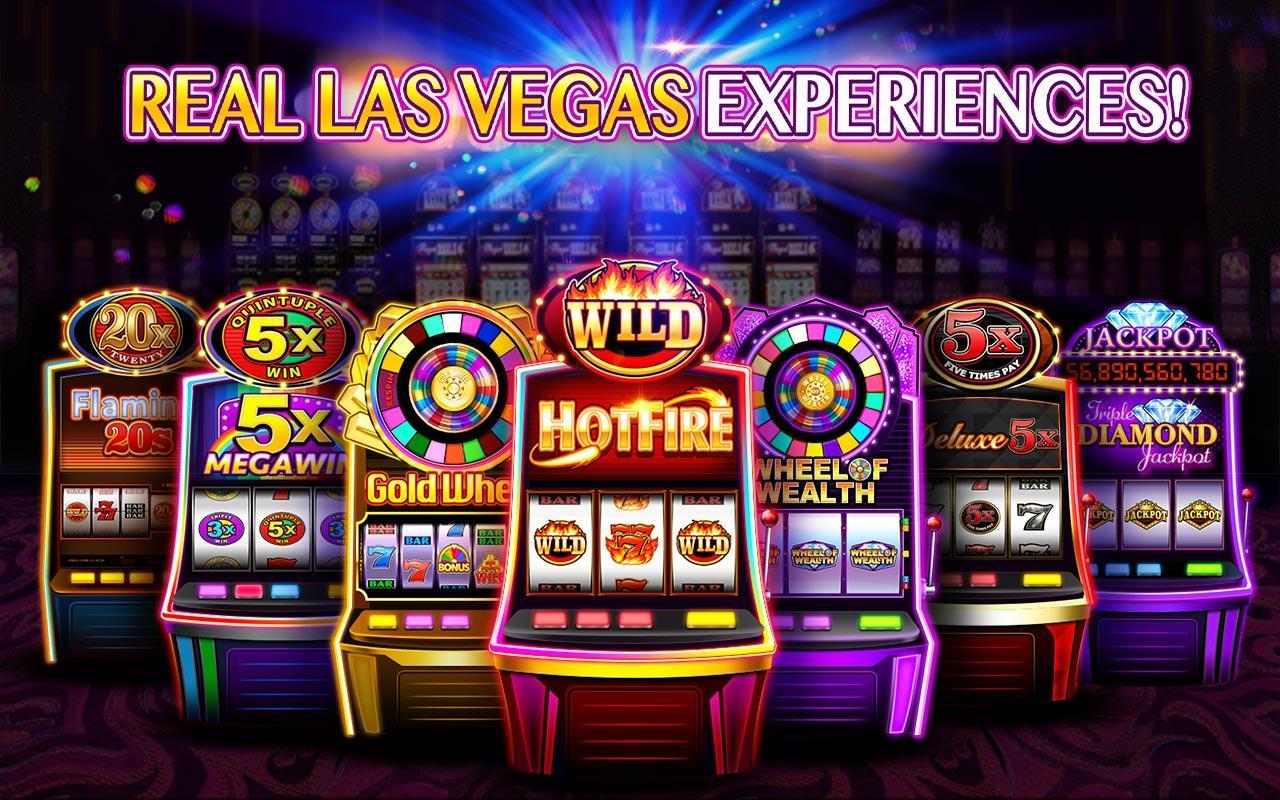
Categorizing by volatility and, when possible, by Return to Player (RTP) is arguably the most valuable analytical tool in categorization. Those aren’t just tags. They are fundamental monetary and experiential settings. Variance defines a game’s risk level. It tells how often and how big wins tend to be. A “Low Volatility” setting assists a player with a smaller bankroll or someone wanting a longer session, pick games that have frequent small payouts. A “High Risk” filter guides players with large budgets and high risk appetite toward games where wins are less common but potentially huge. Few casinos display RTP transparently, yet applying it as a filter is a smart strategy for a disciplined player aiming for the highest theoretical return. Categorizing games with these financial metrics in mind lets players make informed choices. It turns game selection into conscious aspect of bankroll management.